

When Is It Just Bad Behaviour… and When Is It Something More?

Let’s be honest - most of us have worked in a place where things got a little loud, a little crude, or just plain uncomfortable…and too often this is initiated by male employees and at the expense of their female coworkers. Maybe someone’s always cracking inappropriate jokes, or there’s a lot of yelling and teasing that doesn’t quite sit right. If you’ve ever wondered, “Is this normal… or is it actually a problem?” - you’re not alone.
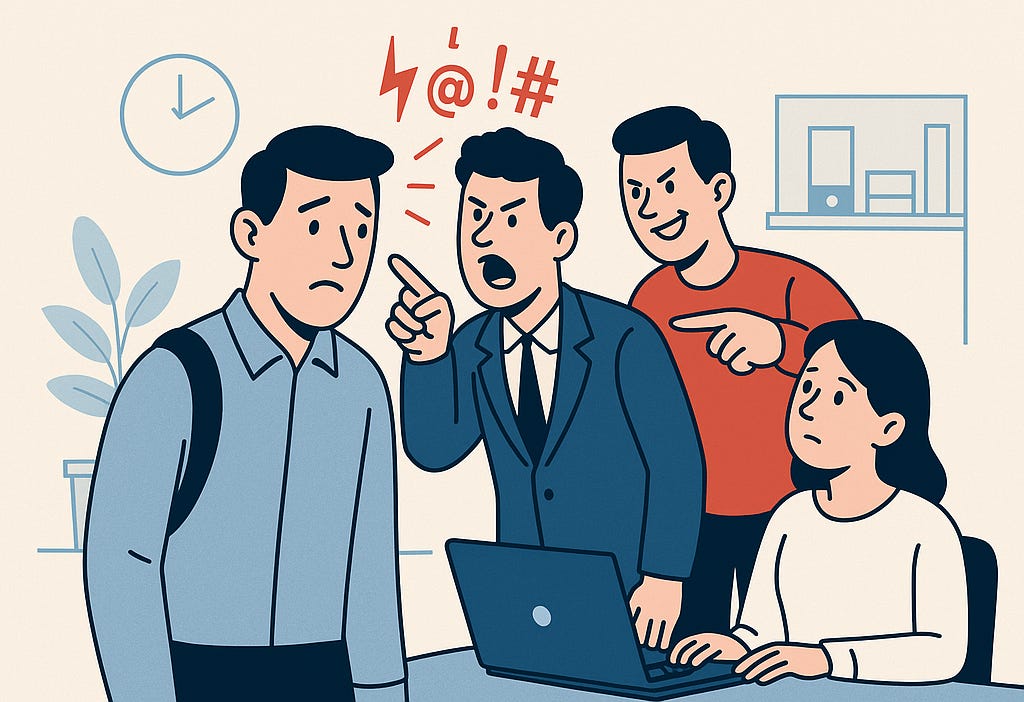
With society being so politically charged and divided these days, too many workplaces continue to tolerate a lot of aggressive behaviour - things like yelling, cursing, and taunting are common. However, when someone raises the problem to management, the response is basically: “That’s just the way it is these days…I am sure they don’t mean anything by it.”
But is that kind of behaviour okay? Where’s the line between lousy workplace culture and actual harassment or bullying?
Let’s talk about it.
The Changing Landscape of Workplace Behaviour
The way we define respect and professionalism at work is changing. What was once dismissed as “harmless teasing” is now being seen for what it often is - psychological harassment. Across Canada, legislation is catching up. Many provinces already have laws in place that deal with violence and harassment at work, and more are on the way.
In the past, it was common to hear misogynistic jokes in the breakroom or see inappropriate calendars hanging in a warehouse. Times have changed. What was once brushed off as “harmless fun” is now recognized as completely unacceptable. The same shift is happening with bullying.
What Is Bullying or Psychological Harassment?
It can be hard to define. But the Quebec government laid out one of the most widely accepted definitions, and many provinces are now using similar language.
Here’s what constitutes bullying or psychological harassment:
It’s repetitive
It’s hostile or unwanted
It affects a person’s dignity or mental health
It creates a harmful work environment
And here’s an important point: even a single serious incident could count as harassment if it’s severe enough.
So… How Do You Handle It?
If someone says or does something that feels off - whether it’s a rude comment, an insult disguised as a joke, or something that crosses the line - the first step is to speak up. Yes, it can be uncomfortable. But it doesn’t have to be confrontational.
Here’s one way to approach it:
“I’m not sure if you meant anything by what you just said, and maybe that kind of talk has been normal here for a while. But I want you to know that it really bothers me. I find it inappropriate, and I need it to stop.”
Clear, direct, respectful.
If nothing changes? Take it to management - managers literally get paid to deal with stuff like this…if they have any degree of management competency.
A Note to Leaders and Employers
If someone brings a concern to management about inappropriate behaviour, they have a responsibility to take it seriously. Saying things like “let it go” or “don’t take it personally” not only makes the situation worse—it is a great way to undermine future company success. Employees - especially those from younger generations - love to share the toxic experiences online with a vast audience. It doesn’t take long before top talent avoids your organization like the plague when you need new staff.
Legally, those who lead companies also have an obligation to:
Ensure employees are treated with civility, respect, and dignity
Prevent a work environment that is hostile or embarrassing
Create conditions that support the well-being of employees
Making sure employees are treated with dignity, respect, and civility has become as important - if not more so - than healthcare benefits, matching RRSP contributions, and company BBQs when it comes to employee attraction and retention.
It’s Not About Stopping All Jokes or Fun
Let’s be real - most of us enjoy a good laugh at work, and a little humour goes a long way in building a positive culture. But there’s a line between fun and harm. It's about how we interact with each other—tone matters, language matters, and so does listening when someone says, “That’s not okay.”
And for employers: enforcing respectful behaviour doesn't mean you can’t manage performance or provide feedback. It just means doing so with professionalism and care.
Final Thought
Whether you're an employee, a team lead, or a CEO, this message matters: everyone deserves a safe, respectful workplace where they want to perform and contribute. If something feels wrong, don’t brush it off. Speak up, listen up, and lead with empathy.
Never treat someone in a way that you wouldn’t want described in detail on the home page of a news website, because today’s “just the way it is” might be tomorrow’s court case—or worse, a culture that drives good people away.